Why Your City's Concert Might Sound Nothing Like the One in the Next State
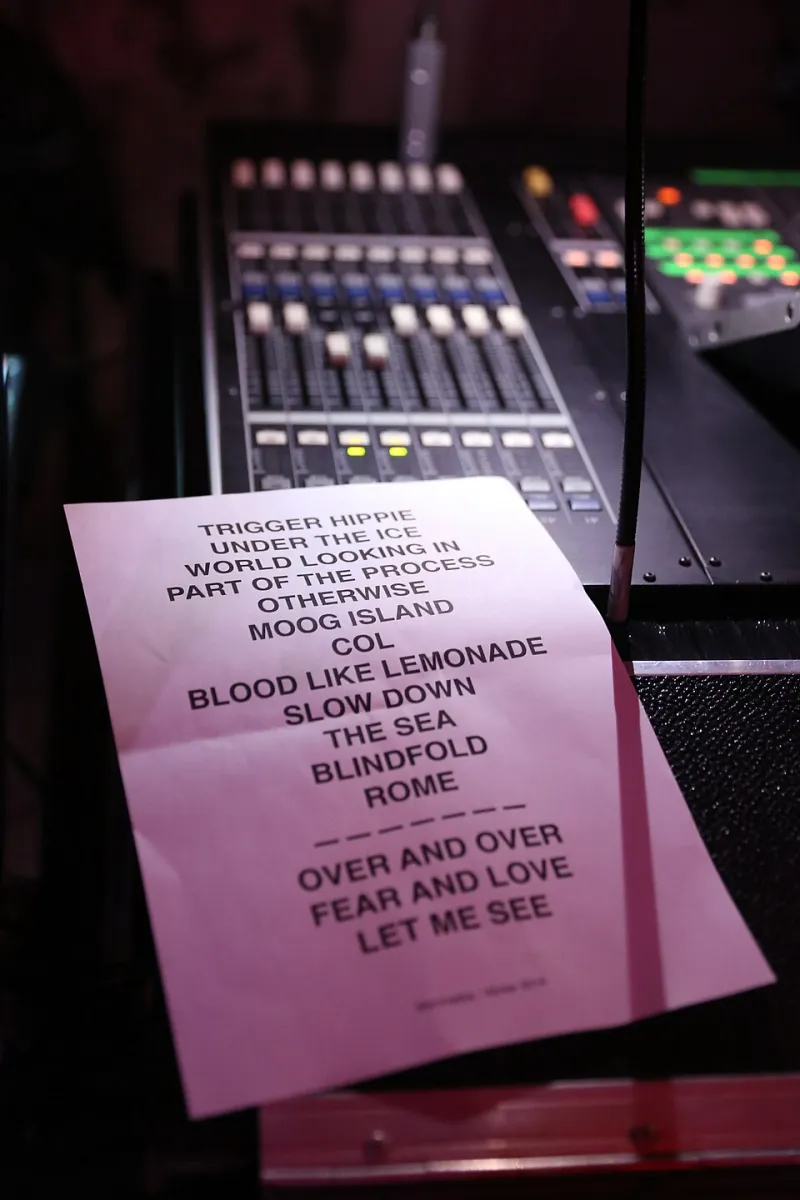
Photo: Manfred Werner - Tsui, CC BY-SA 3.0, via Wikimedia Commons
You spent months counting down to the show. You streamed the album on repeat, memorized every lyric, maybe even splurged on floor seats. Then your friend in a different city posts their recap video and — wait, they played that song? You didn't get that one. What gives?
Welcome to the world of custom setlists, where the show your city gets is rarely an accident. Behind every tour is a team of people making calculated, sometimes deeply personal calls about which songs land where. And honestly? It's one of the most fascinating behind-the-scenes conversations happening in live music right now.
It's Not Random — It's Research
Before an artist even steps foot in a venue, their team has already done homework on the city. Tour managers and creative directors pull streaming data by region, look at which tracks trend locally, and sometimes even dig into social media chatter from that specific market.
"We'll actually geo-filter the streaming numbers a few weeks before we hit a city," one tour manager who works with mid-to-large touring acts explained. "If a deep cut is blowing up in, say, Nashville but barely registers in LA, that's a conversation we're having with the artist before soundcheck."
This kind of data-driven approach means fans in different regions are increasingly getting shows tailored to their listening habits — whether they know it or not. A city with a strong country crossover fan base might get a more acoustic-leaning night. A coastal market with heavy hip-hop influence might see the tracklist lean harder into rap collaborations and remixes.
The Emotional Geography of a Setlist
Beyond numbers, there's genuine emotion baked into these decisions. Artists often have personal history with certain cities — a breakthrough show, a rough night, a crowd that saved a struggling tour — and that history shapes what they bring.
Think about how many artists have called out specific cities mid-show: "Y'all were the first ones to really rock with me." That's not just stage talk. Those cities sometimes get the debut of a new track, an unreleased verse, or a song that got quietly dropped from the main setlist weeks ago but gets resurrected for a crowd that earned it.
Sound engineers add another layer to this. Venue acoustics vary wildly across the US — a 20,000-seat arena in Minneapolis doesn't respond the same way as a 3,000-cap theater in New Orleans. Engineers will sometimes advise against certain bass-heavy tracks in rooms that can't handle the low end cleanly, which can actually ripple up into setlist decisions.
"There are songs that just don't translate in certain rooms," one front-of-house engineer said. "The artist might love performing it, but if the room is going to eat it alive sonically, you have that conversation. Sometimes the setlist adjusts."
Nashville vs. Los Angeles: A Tale of Two Shows
Few contrasts are as striking in US touring as the difference between a Nashville stop and an LA date. Nashville crowds are often filled with industry insiders, musicians, and fans who know the catalog cold — sometimes better than casual listeners in other markets. Artists tend to go deeper there, pulling out album cuts and B-sides that reward that knowledge.
LA, on the other hand, is a spectacle market. The visual production, the surprise guests, the cultural moment — those things carry heavy weight on the West Coast. An artist might save a major collaboration drop or a career-defining production moment for their LA or New York dates specifically because those shows get the most media coverage and social buzz.
Then there's the Midwest, where touring artists often cite some of their most emotionally raw performances. Cities like Detroit, Cleveland, and St. Louis have reputations for crowds that show up with real intensity, and artists frequently respond by going harder, playing longer, and occasionally breaking out songs they haven't touched in years.
Fan Communities Are Paying Attention — Closely
Here's where it gets really interesting for the fan community: setlist tracking has become its own subculture. Sites like Setlist.fm get updated in real time by concertgoers, and fan accounts on X (formerly Twitter) and Reddit are dissecting night-by-night changes with the kind of energy usually reserved for sports analytics.
Fans have gotten good at spotting patterns. They'll notice when an artist consistently pulls out a certain song in college towns, or always plays a specific track as the second-to-last song when the venue is a theater versus an arena. That level of attention has actually started influencing artists — some have acknowledged reading fan setlist breakdowns and adjusting accordingly.
"The fans know," one artist's creative director admitted with a laugh. "They know before we even announce the changes sometimes. It keeps us honest."
What This Means for You Before Your Show
So what can you actually do with this information? A few things. First, check what songs have been played at recent shows on the current leg of the tour — the setlist is rarely identical every night, but there's usually a core structure that stays consistent. Pay attention to which "variable slots" have been rotating and you might get a sense of what's possible.
Second, know your city's vibe and history with the artist. Has this act had a memorable moment here before? Is there a local connection — a shoutout on a record, a music video filmed nearby, a breakout show that happened in your market? Those things matter and can bubble up into the performance.
And if you're a real die-hard? Show up loud. Artists and their teams absolutely notice crowd energy, and a city that goes absolutely wild has a way of unlocking moments that quieter crowds don't get. The setlist might be mostly planned, but live music has always had room for the unexpected — and the fans who bring the most tend to get the most back.
Your city's show is its own thing. Treat it that way.