Chaos, Cue Sheets, and Cue Drops: What Really Goes Down Before Award Show Performances
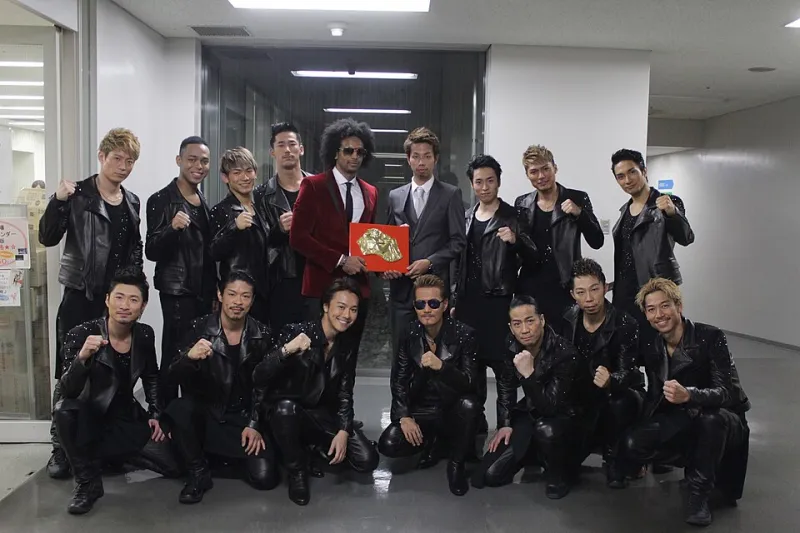
Photo: Justinstripling, CC BY-SA 4.0, via Wikimedia Commons
Every year, millions of people tune into the Grammys, the VMAs, the BET Awards, and a dozen other major ceremonies to watch their favorite artists deliver performances that feel larger than life. The lights are perfect. The choreography is sharp. The whole thing looks like it came together exactly as planned.
It did not come together exactly as planned.
Behind every viral performance moment is a story that involves sleep-deprived producers, costume changes that nearly didn't happen, and at least one conversation that would make a reality TV editor very happy. We dug into the world of award show prep — talking to industry insiders, choreographers, and production crew members — and what we found was equal parts fascinating and chaotic.
The Timeline Is Tighter Than You Think
Here's something most fans don't realize: major award show performances are typically rehearsed in the actual venue for only a day or two before the live broadcast. Sometimes less. The production schedule for a ceremony like the Grammys involves dozens of performances, which means each artist gets a limited window to work with the full stage setup, lighting rigs, and pyrotechnics.
"You're sharing a space with fifteen other acts, and everyone wants more time," one production coordinator told us. "There's a cue sheet that's supposed to keep everything on schedule, and it's basically fiction by noon on the first day."
Artists and their teams often do their own rehearsals in private studios or rehearsal spaces for weeks beforehand, but nothing fully replicates the experience of standing on the actual stage with the actual setup. The first time an artist feels the heat from the LED floor or hears their vocals bouncing off the arena walls, adjustments have to happen — and fast.
The Choreographers Are Running the Show (Sort Of)
For performances that involve dancers, choreographers occupy a fascinating middle position. They're responsible for the visual language of the performance, but they're also constantly negotiating with the artist's creative vision, the production team's technical limitations, and the director's camera angles.
"The hardest part isn't the choreography itself," says a choreographer who has worked on multiple major televised performances. "It's figuring out what's going to read on camera versus what looks incredible in the room. Sometimes the most stunning live moment completely disappears on screen because the camera cuts away at the wrong time."
This is why rehearsals with camera operators present are so critical — and why those sessions often reveal problems that nobody anticipated. A formation that looks incredible from the audience's perspective might look flat from the broadcast camera positions. Entire sections get reworked on the spot.
Technical Difficulties Are the Rule, Not the Exception
Ask anyone who's worked on an award show and they'll tell you: something always goes wrong during rehearsal. The question isn't if there will be a technical issue — it's which one, and whether there's enough time to fix it.
Common culprits include IEM (in-ear monitor) malfunctions, which can make it nearly impossible for an artist to hear themselves or the backing track properly. Lighting cues that fire at the wrong moment. Pyro effects that are either too aggressive or fail to trigger entirely. Costume pieces that don't survive the physical demands of the performance.
One particularly memorable behind-the-scenes account we heard involved a major pop artist whose elaborate flying rig — yes, the kind that lifts performers into the air — malfunctioned during a dress rehearsal, leaving them suspended about six feet off the stage for several uncomfortable minutes while crew members scrambled below. The performance that aired was flawless. The rehearsal footage would have been riveting.
The Artist's Mental Game
Beyond the technical chaos, there's an emotional dimension to award show prep that doesn't get talked about enough. These are some of the most-watched performances in American entertainment. The pressure is real, and it affects artists differently.
Some performers go completely internal in the hours before showtime — headphones in, no unnecessary conversation, a kind of focused stillness that their teams learn to respect and work around. Others need the opposite: constant movement, jokes, music playing in the dressing room, people around them to keep the energy up.
"I've worked with artists who are completely different people on rehearsal day versus show day," one backstage coordinator shared. "And you learn really quickly which version of them you're dealing with and what they need from you."
Last-minute lyric changes are more common than you'd think, particularly for artists who are performing new material or want to address something current in their set. Those changes ripple outward — cue cards get updated, teleprompter operators get new scripts, the musical director has to make sure the band is on the same page.
The Unsung Heroes in the Headsets
If you want to understand how award show performances actually happen, follow the people wearing headsets. The stage managers, audio engineers, and production assistants moving through the venue with clipboards and contained panic are the ones keeping the whole enterprise from falling apart.
These are the folks who relay information between the director in the control truck and the crew on the floor. They're the ones telling an artist's team that they have four minutes to get to the stage. They're managing a communication web that involves dozens of people simultaneously, and when something breaks down — a miscommunication, a missed cue — they're the ones who have to solve it in real time.
"Most people watching at home have no idea how many people it takes to make three minutes of television look that good," one veteran stage manager said. "The artist is the face of it, but there are easily a hundred people whose fingerprints are on that performance."
What the Camera Never Shows You
The final product — the polished, lit, choreographed spectacle that hits your screen and your timeline — is the result of all of this: the scrambling, the problem-solving, the pressure, and yes, the occasional meltdown. Award show performances are a kind of controlled miracle, pulled off by a small army of professionals who are very good at making the impossible look routine.
Next time you're watching one of those moments and thinking it looks effortless? That's the whole point. And now you know what it actually took to get there.