When the Comments Section Becomes the Co-Writer: Artists Who Actually Let Fans Shape Their Music
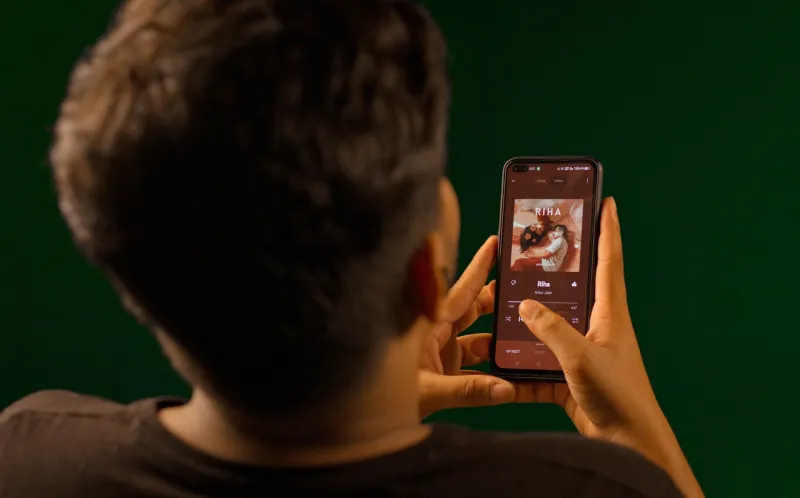
There's an unspoken agreement that most of us just kind of accept when we become fans of an artist. You stream their stuff, buy the merch, post about them, maybe cry a little at a concert — and they make the art. That's the deal. Creator creates, audience receives. Clean, simple, classic.
Except that's not really how it works anymore, is it?
Somewhere between the rise of parasocial culture, the comment section becoming its own ecosystem, and artists spending more time on their phones than in the studio, that clean line got smudged. And now, some of the most interesting creative decisions in music are being shaped — at least partially — by the people listening to it.
This isn't a conspiracy theory or a hot take. There are real, documented moments where artists have straight-up said: the fans told me something, and I listened. And the results? Sometimes genius. Sometimes messy. Almost always fascinating.
The Feedback Loop Nobody Talks About
Let's start with the obvious: artists have always been influenced by their audience. A crowd's reaction to a new song at a live show has been shaping setlists and B-sides since rock and roll existed. That part isn't new.
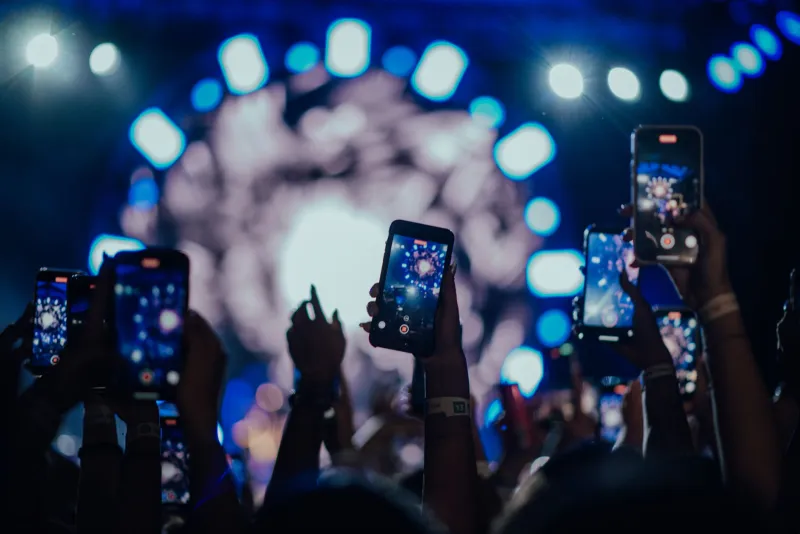
What is new is the speed and volume of it. When an artist drops a snippet on TikTok and 200,000 people comment in 48 hours about what they want the final version to sound like, that's a different kind of pressure than a tour manager quietly mentioning the crowd seemed lukewarm on that bridge.
The modern artist is essentially doing live market research every single day, whether they asked for it or not. And some of them are leaning in hard.
Taylor Swift is probably the most cited example in any conversation like this — and for good reason. She's famously embedded in her own fandom in ways that most pop stars aren't. She's referenced fan theories in lyrics, acknowledged Easter eggs that fans decoded before she confirmed them, and has spoken openly about how deeply aware she is of what her audience is feeling. Whether or not every decision traces back to fan feedback is debatable, but the relationship is clearly not one-way.
When Listening Becomes a Creative Strategy
Beyond Swift, there are smaller but equally telling moments across the industry. Paramore's Hayley Williams has been remarkably candid in interviews about the emotional and creative weight of fan conversations, particularly around themes of mental health and identity in her solo work. She's talked about how certain community responses made her reconsider how she was framing vulnerability in her lyrics — not to please people, but because the dialogue helped her see something she'd missed.
Oliver Tree is another interesting case. His whole persona is built on a kind of aggressive self-awareness, and he's pulled from fan reactions pretty openly when it comes to visual direction and rollout choices. His online presence is so deliberately chaotic that it's hard to tell where performance ends and genuine community engagement begins — which might actually be the point.
And then there's the hip-hop world, where the feedback loop has always been tight. Artists like J. Cole and Kendrick Lamar have spoken about the culture of accountability within their fanbases — not just fans wanting bangers, but wanting meaning. That expectation has visibly shaped how both artists approach conceptual albums. When your audience is analyzing every bar and posting 30-minute YouTube breakdowns, you start writing with that level of scrutiny in mind, consciously or not.
The Pressure Side of the Equation
Here's where it gets complicated, though. Because not every artist who listens to their fanbase comes out of it thriving.
There's a version of this story that goes sideways fast. When fan expectations get loud enough, they can stop feeling like inspiration and start feeling like a cage. Artists who pivot based on community feedback sometimes find themselves chasing a version of themselves that the internet decided they were — not who they're actually becoming.
The discourse around certain pop acts in the last few years has gotten genuinely uncomfortable in this way. When a fandom decides an artist should sound a specific way, should date a specific type of person, should make a specific kind of statement — and the artist starts to visibly bend toward those expectations — it raises a real question about where influence ends and pressure begins.
Some artists have been pretty direct about this tension. Billie Eilish has talked in multiple interviews about the mental weight of being so visible, so analyzed, and so responded-to in real time. She's said outright that she has to actively protect her creative process from outside noise, including from fans who love her. That's not ingratitude — that's self-preservation.
The New Creative Council Nobody Elected
What we're really talking about is a structural shift in how art gets made and refined. Fans have always been the final judge — they decide what survives, what gets streamed into the ground, what gets forgotten. But now they're also sitting in on the process itself, even when nobody formally invited them.
For some artists, that's energizing. It creates a sense of shared ownership, a community that feels genuinely seen in the finished product. When a lyric lands because an artist rewrote it after seeing how fans interpreted an earlier version, there's something kind of beautiful about that — art as a living conversation rather than a finished transmission.
For others, it's a slow erosion. The more you incorporate external voices, the harder it becomes to locate your own. And audiences, for all their passion, aren't always right. They don't always know what they actually want until they hear something they didn't expect.
What It Means Going Forward
The artists who seem to navigate this best are the ones who've figured out how to hear without obeying. They stay genuinely connected to their communities — reading the room, absorbing the energy, understanding what's resonating — but they haven't handed over the keys.
That balance is genuinely hard to maintain, especially when your livelihood depends on your relationship with an audience that expects access and authenticity 24/7. The artists who pull it off tend to be the ones who are clearest about who they are outside of what people think of them.
The comment section will keep talking. That's not changing. The question is whether the artists reading it are doing so as curious creators — or as people slowly rewriting themselves to match a reflection that was never quite accurate to begin with.
Either way, the old model — where the artist makes the thing and disappears until the next thing — is basically gone. What replaces it is still being figured out, one viral snippet and comment thread at a time.