Running the Show Without a Paycheck: How Fan Accounts Became the Most Trusted Voice in Music
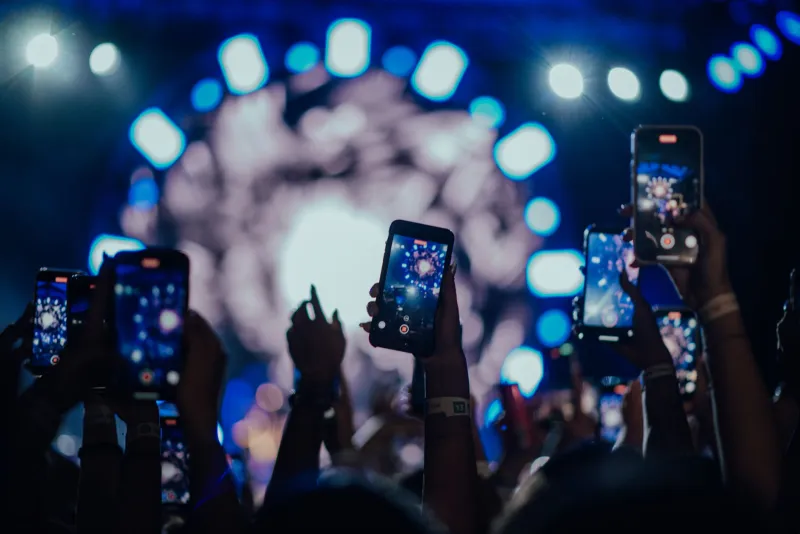
There's a specific kind of trust that no PR firm can manufacture. It's the kind you build at 2 a.m. when you're live-tweeting a concert from the nosebleeds, screenshotting a cryptic Instagram story before it disappears, or updating a fan wiki with tour dates that haven't been officially announced yet. Nobody hired you. Nobody's paying you. You're just that invested — and somehow, millions of people are following your lead.
Fan accounts have quietly become one of the most influential forces in music culture, and the industry is only just catching up to what fans already figured out years ago.
The Unofficial Press Room Nobody Asked For
If you've ever found out about an album announcement, a surprise feature drop, or a beef between artists from a fan Twitter account before you saw it anywhere else, you already know what we're talking about. These accounts — often running on nothing but passion, free time, and an unhealthy amount of screen time — have become legitimate breaking-news outlets.
And it's not just Twitter. Fan wikis like those hosted on Fandom have become the most comprehensive databases for discographies, lyrics, and artist histories that you'll find anywhere online. Community forums on Reddit, sprawling Discord servers, and niche Tumblr blogs function as real-time newsrooms where thousands of contributors piece together information faster than any editorial team with a paycheck.
The reason? These fans are obsessed in the most productive way possible. A major publication might assign one journalist to cover a single artist. A dedicated fan account might have fifty contributors across twelve time zones who are watching every post, every background detail in a photo, every subtle lyric change during a live set. That kind of coverage is impossible to compete with.
Breaking News Before the Press Release
In 2024, it became almost routine for fan accounts to break major music news before official channels did. Tour dates leaked through eagle-eyed fans spotting venue holds. Album artwork appeared on fan forums hours before label announcements. Even artist feuds — the kind that labels would typically try to control the narrative on — got documented and dissected by fan communities in real time, often with receipts that legacy outlets scrambled to catch up to.
This isn't an accident. It's the natural result of what happens when a community is deeply invested and digitally fluent. Fan accounts don't wait for a press release. They investigate. They cross-reference. They crowdsource. And when they get it right — which they often do — they earn the kind of credibility that no official channel can simply declare for itself.
There's also a transparency factor that official accounts can't replicate. When a label posts something, everyone knows there's a motive behind it. When a fan account breaks a story, the assumption is that they're just sharing what they found because they're excited. That perception of authenticity is incredibly valuable, even if the reality is more complicated.
Why Labels Are Sliding Into Fan DMs
Here's where it gets interesting. The music industry — which spent years either ignoring fan accounts or sending them cease-and-desist letters over leaked content — has done a pretty dramatic about-face. Labels and artist management teams have started quietly building relationships with the biggest fan account operators, and it's not hard to see why.
A fan account with two million followers and a deeply engaged audience is, functionally, a media outlet. When that account posts about an album drop or shares a pre-save link, it converts. Sometimes better than a paid ad campaign. Sometimes better than a feature in a major publication. And it costs the label nothing — or close to nothing — if they play it right.
Some artists have gone even further, turning fan account operators into unofficial ambassadors. Access is the currency here. Early listening sessions, exclusive content drops, behind-the-scenes access — these are the quiet negotiations happening between industry insiders and the fans who built audiences that labels now want to reach.
It's a symbiotic relationship, but it's not without tension.
When the Fan Becomes the Gatekeeper
The power dynamic gets complicated when fan accounts grow large enough to shape perception rather than just reflect it. At a certain point, a fan account isn't just reporting on an artist — it's actively influencing how that artist is perceived by millions of people.
This creates a weird kind of accountability vacuum. Traditional journalists operate under editorial standards, fact-checking processes, and professional consequences for getting things wrong. Fan account operators? Most of them are just regular people who love an artist. There's no editor, no correction policy, no formal process for handling misinformation. And when a rumor spreads through a fan community fast enough, it can take on a life of its own regardless of whether it's true.
There have been real-world consequences — false breakup rumors that sent fandoms into chaos, speculation about artists' personal lives that crossed into harassment territory, and misinformation about tour cancellations that left fans out of pocket. The same speed and passion that makes fan accounts so effective at breaking news can also make them vectors for misinformation when something goes wrong.
The Community That Built Itself
What's genuinely remarkable about all of this is that it happened organically. Nobody designed fan accounts to become media powerhouses. There was no strategic plan, no venture capital, no executive team mapping out a disruption of traditional entertainment journalism. A bunch of people who loved music just started posting, and other people who loved the same music started paying attention.
The community infrastructure that exists now — the wikis, the forums, the Discord servers with dedicated channels for every imaginable topic — was built piece by piece by people who wanted a space where their level of investment wasn't considered excessive. In mainstream culture, caring that much about an artist can still get you labeled as obsessive. In a fan community, it makes you an authority.
That sense of belonging is a huge part of why these spaces are so trusted. When you're getting your music news from a fan account, you're not just getting information — you're getting it from someone who cares as much as you do. That emotional resonance is something no official PR channel will ever be able to replicate, no matter how authentic they try to sound.
What Comes Next
The influence of fan accounts isn't going anywhere — if anything, it's growing. As traditional music media continues to shrink and consolidate, the vacuum they leave is being filled by community-driven spaces that are faster, more passionate, and often more accurate than the outlets they're replacing.
The smartest artists and labels are already figuring out how to work with that reality rather than against it. The ones still trying to control the narrative through official channels alone are fighting a losing battle. The fans already have the mic. The question now is just how loudly they're going to use it.