Fan Detectives, Data Nerds, and Gut Feelings: How Concert Communities Are Cracking the Setlist Code Before the Show Starts
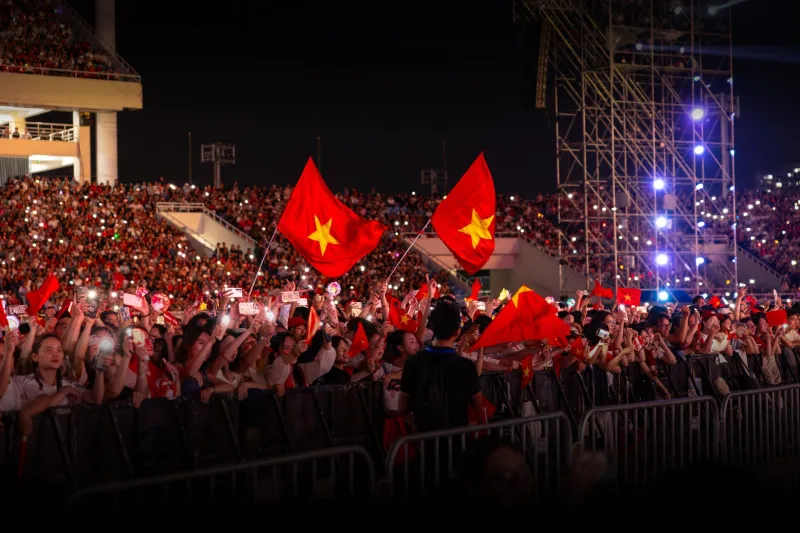
The doors haven't opened. The stage crew is still taping down cable runs. And somewhere in a Discord server with 40,000 members, a fan named @tournerdalert just dropped a 14-song predicted setlist that's about to be eerily, almost uncomfortably accurate.
This isn't a fluke. It's a whole thing now.
Across Reddit threads, fan forums, TikTok comment sections, and dedicated apps like Setlist.fm, a growing wave of concertgoers has turned pre-show prediction into something that looks a lot less like guessing and a lot more like analysis. They're tracking tour patterns across multiple legs. They're cross-referencing rehearsal footage leaks. They're comparing which deep cuts got dusted off during soundcheck. And somehow — with a frequency that's hard to dismiss — they keep getting it right.
The Blueprint Already Exists (If You Know Where to Look)
Here's the thing most casual fans don't realize: artists rarely reinvent their setlists from scratch every night. There's a structure to touring, a logic to sequencing, and a comfort in repetition that keeps performers locked into patterns across entire runs.
Dedicated fans figured this out a long time ago.
Setlist.fm, one of the most-used crowd-sourced concert databases on the internet, has become the backbone of the prediction community. Users log every song played at every show, building a database that stretches back decades for major artists. Once a tour kicks off, patterns become visible fast. If an artist opens with the same three songs across the first five dates, that's not a coincidence — that's a template.
"The first few shows of a tour are basically the cheat sheet," explains one longtime Swifties forum moderator who asked to go by her username, Stargazer_Evermore. "Once Taylor plays three or four cities, we know the core structure. We're really just arguing about the surprise songs after that."
And she's not wrong. During Taylor Swift's Eras Tour, fan communities correctly predicted the base setlist within the first week of shows — sometimes down to the exact order of songs. The only wildcard was the acoustic section, which changed nightly and became its own separate guessing game.
It's Not Just Vibes — There's Actual Math Involved
Some predictors have taken this well beyond casual observation. There are fans running literal spreadsheets. We're talking color-coded frequency charts tracking how often each song has appeared on past tours, weighted averages for which tracks get dropped mid-run, and even regression models built to account for factors like venue size and city demographics.
One user in the r/concertpredictions community — a college student studying data science in Austin — described his process as "just applying what I already do for class, but for something I actually care about." His Beyoncé Renaissance Tour predictions, cross-referenced against her historical touring habits and promotional rollout patterns, landed him at roughly 85% accuracy across three shows he attended.
That's not beginner's luck. That's methodology.
And it's not just the data heads. Social media has added a whole new intelligence layer to this game. TikTok videos of soundcheck snippets — often filmed covertly through parking lot fences or from nearby hotel windows — have become some of the most-watched pre-show content in fan communities. A 12-second clip of a piano run can confirm or completely blow up someone's prediction in real time.
Why Are Fans So Obsessed With Knowing in Advance?
It's worth asking the obvious question: why does it matter? You're going to hear the songs either way, right?
But that framing misses something important about what concerts have become — especially for the most engaged fan communities. For a lot of people, the pre-show ritual is part of the experience. Predicting the setlist is a form of participation. It's a way of being in the story before the story starts.
"There's something really satisfying about feeling like you understand an artist deeply enough to anticipate them," says Dr. Priya Mehta, a cultural psychologist who studies parasocial relationships and fan behavior. "It's not about spoiling the surprise. It's about connection. If you can predict what someone is going to do, it means you've been paying attention. And for fans, that attention is a form of love."
There's also a community element that can't be overstated. These prediction threads — some of them running hundreds of replies deep — are genuinely fun spaces. People are debating, joking, sharing memories tied to specific songs, getting hyped together. The setlist becomes a conversation starter, a bonding mechanism, a reason to log on.
What Do Artists and Their Teams Actually Think?
This is where it gets complicated.
Some artists have leaned into the prediction culture, treating it almost like a game with their fanbase. Harry Styles' touring team famously kept fans guessing about cover choices throughout the Love on Tour run, and the speculation became its own viral content cycle. The mystery was part of the marketing, even if it wasn't explicitly designed that way.
Others are less thrilled. Leaked soundcheck footage in particular has been a real tension point. Multiple artist camps have sent cease-and-desist notices to fan accounts posting audio from private rehearsals. Some venues have started enforcing stricter no-recording policies in the hours before doors open — not just during the show.
A touring production manager (who requested anonymity because, quote, "I don't need that drama") told us that setlist leaks from early-tour cities have occasionally forced last-minute changes on later dates — not because the artists were bothered by fans knowing, but because some surprises are genuinely meant to stay surprises for the people in that specific room.
"There's a difference between a fan community making smart predictions and someone posting the exact setlist two hours before showtime because they got it from a crew member," they said. "One is impressive. The other kind of takes something away from people who wanted to experience it fresh."
The Line Between Spoiler and Sport
That tension — between the thrill of the prediction and the magic of genuine surprise — is something the fan communities themselves debate constantly. Most dedicated predictors are clear that they see this as a game, not a mission to ruin anything. Many will post their predictions in clearly labeled threads so fans who want to stay unspoiled can avoid them.
But the internet doesn't always cooperate. A confirmed setlist can travel from a niche Discord to a mainstream Twitter thread in under an hour, reaching fans who never asked to know.
Still, for the community that's built around this practice, the whole thing feels like an extension of fandom at its most engaged. It's not passive consumption. It's active participation. It's showing up prepared, informed, and invested — which, honestly, sounds a lot like what being a real fan has always meant.
And hey, when you're sitting in the nosebleeds and the first notes of that song you predicted three days ago start ringing out? That feeling hits different.
You called it. And the crowd goes wild.