Fan-Made and Officially Iconic: How Bootleg Merch Took Over the Culture
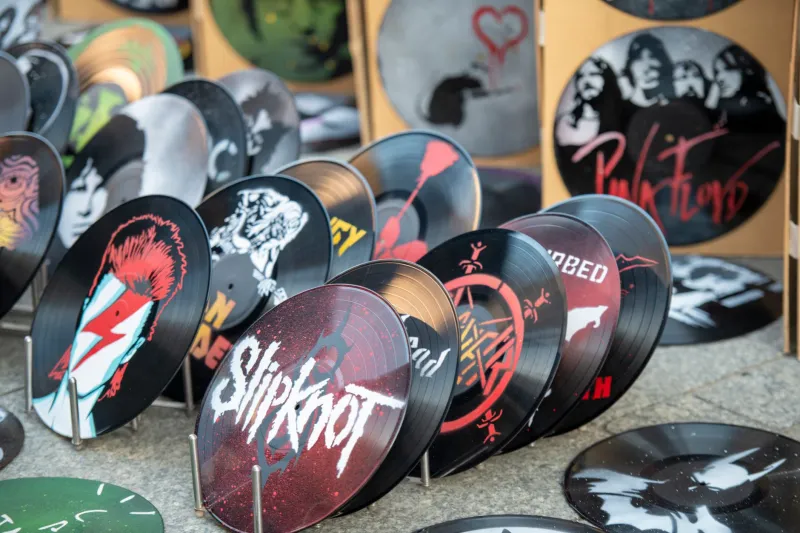
Walk through any major concert parking lot in America — whether it's a Taylor Swift Eras Tour stop, a Bad Bunny stadium night, or a Beyoncé Renaissance show — and you'll notice something almost immediately. The line for the official merch booth snakes around the building. But scattered across folding tables, car trunks, and sidewalk blankets? A whole other economy is happening, one that nobody officially sanctioned and almost nobody can stop.
Fan-made merchandise — bootleg tees, hand-painted jackets, embroidered hats, and everything in between — has become one of the most fascinating subcultures in modern entertainment. And honestly? A lot of it is just better.
Why Fans Started Making Their Own Stuff
Let's be real: official merch has a reputation problem. Overpriced, sometimes poorly made, and designed by committees who may or may not actually listen to the artist's music — official merchandise lines have long frustrated die-hard fans. A $65 tour tee with a blurry photo and a generic font doesn't exactly scream "I'm the biggest fan in this arena."
Fan creators noticed that gap and sprinted through it.
"I made my first Mitski shirt because nothing official felt personal enough," says Dani R., a 24-year-old graphic designer from Austin who now sells her fan-made designs on Etsy. "I wanted something that actually captured the feeling of her music, not just her name on a black shirt." Dani's store has racked up thousands of sales, and she regularly fields messages from buyers who wore her designs to actual Mitski shows — sometimes catching the attention of fellow fans who thought the pieces were official.
That's the thing about great fan merch: it often speaks the fan language more fluently than any marketing team could.
The Underground Economy Is Massive
We're not talking about a niche hobby here. The fan-made merchandise market — spanning Etsy, Depop, Instagram storefronts, and local vendor setups — generates millions of dollars annually. For major artists with obsessive fanbases, that shadow economy can rival (or at least meaningfully compete with) official sales in specific demographics.
Think about the bootleg concert tee phenomenon. Vintage-style bootlegs for artists like Nirvana, Tupac, and Whitney Houston have been reselling for hundreds of dollars for decades. But now, that energy is being applied to current artists in real time. Fans aren't waiting for a legacy to build — they're creating the iconography while the tour is still happening.
For a lot of these creators, it's also just a livelihood. Jared M., a screen printer from Chicago, estimates that fan-inspired music merch accounts for about 60% of his business. "I'm careful about what I make and how I make it," he says. "I'm not trying to rip anyone off. I'm trying to celebrate artists I genuinely love while also paying my rent."
Where the Legal Lines Get Blurry
Here's where things get complicated — and interesting.
From a strictly legal standpoint, most fan-made merch featuring an artist's name, likeness, or trademarked imagery exists in a gray zone at best and outright infringement territory at worst. Artists and their management teams have every right to protect their brand, and many do. Cease-and-desist letters get sent. Etsy shops get taken down. Parking lot vendors get asked to pack up.
But enforcement is wildly inconsistent, and the cultural optics of going after your own fans are... not great. Some artist teams have made the calculated decision to look the other way, particularly when the fan merch isn't directly competing with official products in quality or price point.
Others have taken a harder line. Certain major label acts have deployed legal teams specifically to scrub platforms of unauthorized merch during tour cycles. And yet, within days, new storefronts pop up. It's a game of whack-a-mole that no label has fully figured out how to win.
The more nuanced question isn't just legal — it's cultural. Does fan merch hurt artists, or does it actually deepen the ecosystem around them?
When Fan Creativity Becomes Cultural Currency
Argue what you want about intellectual property law, but there's a strong case that fan-designed merchandise builds an artist's cultural footprint in ways official channels can't replicate.
When fans design their own gear, they're doing something powerful: they're translating an artist's work through their own creative lens and sharing that interpretation with the world. A hand-embroidered Phoebe Bridgers jacket worn to a farmer's market in Portland tells a different story than a mass-produced hoodie from the official webstore. It signals deep investment. It sparks conversations. It recruits new listeners.
"I've had so many people ask me about my Chappell Roan pin set," says Mia T., a 21-year-old college student from Nashville who makes fan accessories in her dorm room. "And those people go home and actually stream her music. I feel like I'm doing promo work for free."
She's not wrong. Fan creators operate as grassroots ambassadors, extending an artist's cultural reach into spaces that no marketing budget could efficiently target.
The Artists Who Get It
Some artists have started to quietly acknowledge — and even celebrate — the fan merch phenomenon. A few have gone further, spotlighting fan creators on their own social media or incorporating fan design aesthetics into official collections.
There's also a growing conversation in the industry about whether a licensing or collaboration model could work — essentially giving fan creators a legitimate path to sell their work with a small royalty going back to the artist. It's a concept that would require significant legal infrastructure but could transform a gray market into something mutually beneficial.
Until that framework exists, the dance continues. Fans will keep designing, printing, and sewing. Artists and their teams will keep navigating the tension between protection and appreciation. And somewhere in a parking lot outside a sold-out show, someone will be selling a hand-screened tee that captures the entire spirit of an artist in a way that the official $60 hoodie simply never could.
The Bottom Line
The merch obsession isn't going anywhere — if anything, it's accelerating. As fandoms grow more sophisticated and creative communities become more interconnected online, the line between tribute and commerce, between fan and creator, keeps shifting.
What's clear is this: the fans making these pieces aren't trying to undermine the artists they love. They're trying to get closer to them. And sometimes, that devotion produces something so authentic, so visually sharp, and so emotionally resonant that it ends up defining the cultural moment more than anything the official team put out.
That's not a threat to the music industry. That's the music industry working exactly the way it was always supposed to — inspiring people to create.