Behind the Curtain: Why Your Favorite Song Might Never Get Played Live

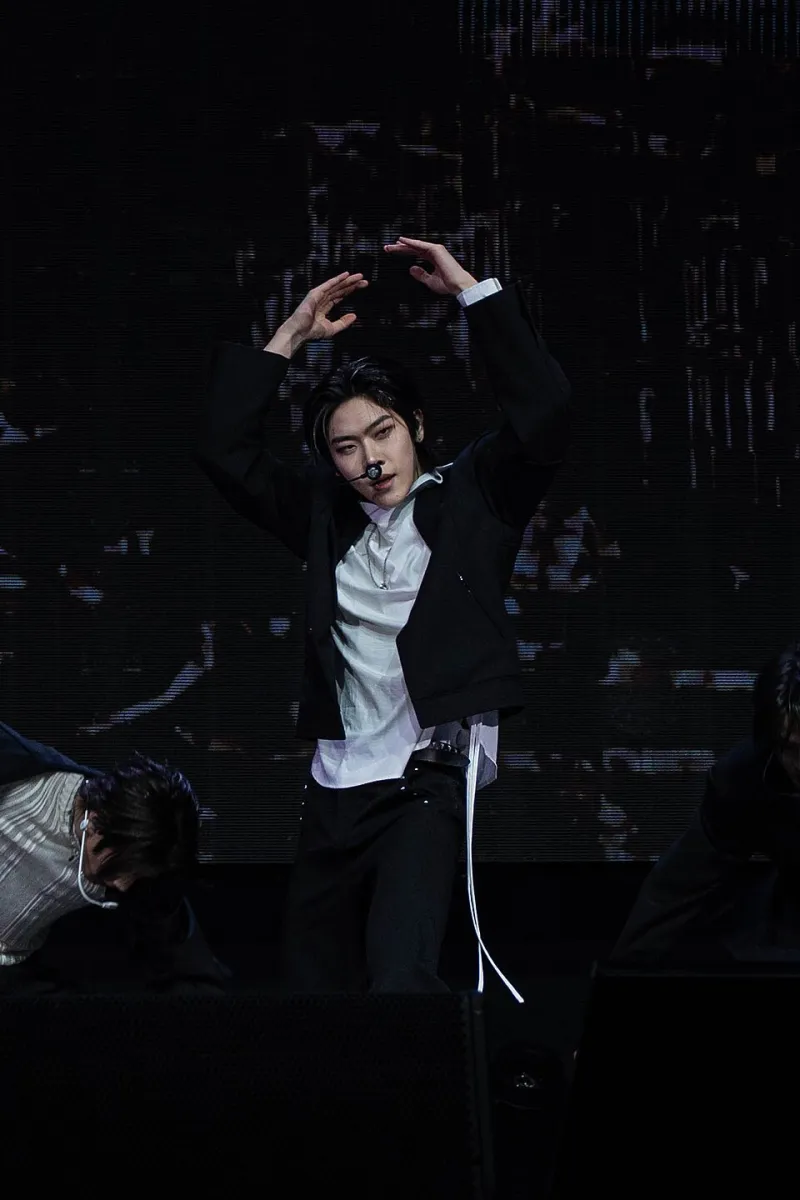
Photo by Photo by Kari Bjorn Photography on Unsplash on Unsplash
You've been to the show. You know the feeling. The lights drop, the crowd goes absolutely feral, and for two hours your favorite artist plays hit after hit — but somehow, that song never comes. The one you've been streaming on repeat since 2019. The one you literally practiced your reaction to in the mirror. Gone. Skipped. Left on the cutting room floor like it never existed.
Don't take it personally. Setlist construction is genuinely one of the most complicated, underappreciated art forms in the live music world — and the decisions being made behind the scenes are way more layered than most fans realize.
It's Not Just a Playlist — It's a Whole Emotional Architecture
Here's the thing people get wrong about setlists: they assume artists just rank their songs by popularity and call it a night. That's not even close to how it works. A well-built setlist is more like a screenplay. There's an opening act, rising tension, emotional valleys, climactic peaks, and a closing moment designed to send you home feeling something specific.
Tour managers, creative directors, and the artists themselves spend weeks — sometimes months — mapping out the emotional arc of a show. Which song opens with enough energy to grab 20,000 strangers by the collar? Where do you slot the slower, more vulnerable tracks so the audience actually feels them instead of just waiting for the next banger? When do you drop the hit that everyone came for — early enough to keep energy up, or late enough to make the crowd earn it?
Every single placement is intentional. And that means some songs, no matter how beloved, just don't fit the architecture.
Venue Size Changes Everything
A song that absolutely slaps in an intimate club setting can completely fall flat in a 50,000-seat stadium. The acoustics are different. The energy travels differently. And the emotional intimacy of a quiet, confessional track gets swallowed whole by the sheer size of an arena.
Artists and their production teams have to think about how sound behaves in a space. Songs with complex layering or subtle production details often don't translate well in massive outdoor venues where the audio is bouncing off concrete and hitting people in waves. Meanwhile, anthemic, bass-heavy tracks with simple melodic hooks tend to land harder when there's a sea of people singing along.
This is why you'll sometimes notice that an artist's smaller club tour setlist feels completely different from their arena run — it's not just vibe, it's physics.
The Technical Stuff Nobody Talks About
Let's talk about something fans rarely consider: some songs are genuinely difficult or even impossible to recreate live. Studio magic — layered vocal harmonies, intricate production, electronic elements that require a full DJ setup — doesn't always translate to a touring band configuration.
Maybe a beloved album track was built around a sample that can't be cleared for live use. Maybe it requires an instrument that doesn't travel well or a vocal register that's brutal to hit eight shows in a row. Maybe the lighting rig the artist uses simply can't do what the song emotionally demands.
Production teams also have to think about set transitions. If a song requires a full costume change, a stage reset, or a 90-second pyrotechnic setup, it better be worth the dead air. Sometimes a fan-favorite deep cut just doesn't clear that logistical bar.
Why Random B-Sides Suddenly Become Tour Staples
Okay, so here's the flip side of all this — and it's actually kind of beautiful. Sometimes a deep cut that barely got any attention on an album becomes the song of the tour. Fans go nuts for it. It starts trending after every show. And suddenly an artist who never thought twice about that track is closing out nights with it.
This happens for a few reasons. Sometimes it's an artist reclaiming a personal favorite that they never got to properly share. Sometimes the song just works live in a way it didn't on record — the energy of a live band adds something the studio version was missing. And sometimes it's purely strategic: dropping an unexpected track keeps superfans engaged and gives every show its own identity, which fuels social media buzz and keeps the tour in the conversation.
That word-of-mouth moment — "wait, they played that?" — is worth its weight in streaming numbers.
Balancing Fan Expectations With Artistic Integrity
This is where it gets genuinely tricky. Artists want to give fans what they came for. But they also don't want to feel like a human jukebox replaying the same 22 songs in the same order every single night for six months.
Some artists rotate setlists night to night, swapping out a handful of songs to keep things fresh for both themselves and the hardcore fans who follow them city to city. Others lock in a tight, consistent set and treat the live show as a singular, repeatable experience — almost like a theatrical production with a fixed script.
Neither approach is wrong. But both come with tradeoffs. Rotating setlists mean more rehearsal time, more technical preparation, and more room for things to go sideways. Fixed setlists mean some fans will always leave wanting that one song they didn't get.
The artists who seem to navigate this best are the ones who communicate with their fans — through social media, through pre-show interactions, through the occasional surprise — so that even when your request doesn't make the cut, you still feel seen.
So What Can You Actually Do?
Honestly? Go in with an open mind. The setlist you didn't expect might end up being the one that wrecks you in the best possible way. Some of the most powerful live music moments happen when an artist pulls out something you forgot existed and suddenly it's the only song that's ever mattered.
And hey — if your favorite track really, truly never gets played? That's what fan-filmed YouTube videos and Spotify replay counts are for. The song still exists. It still hits. It just lives in a different space.
The live show is its own thing. Let it be that.