Backing Tracks Aren't Cheating — Here's Why the Internet Needs to Chill
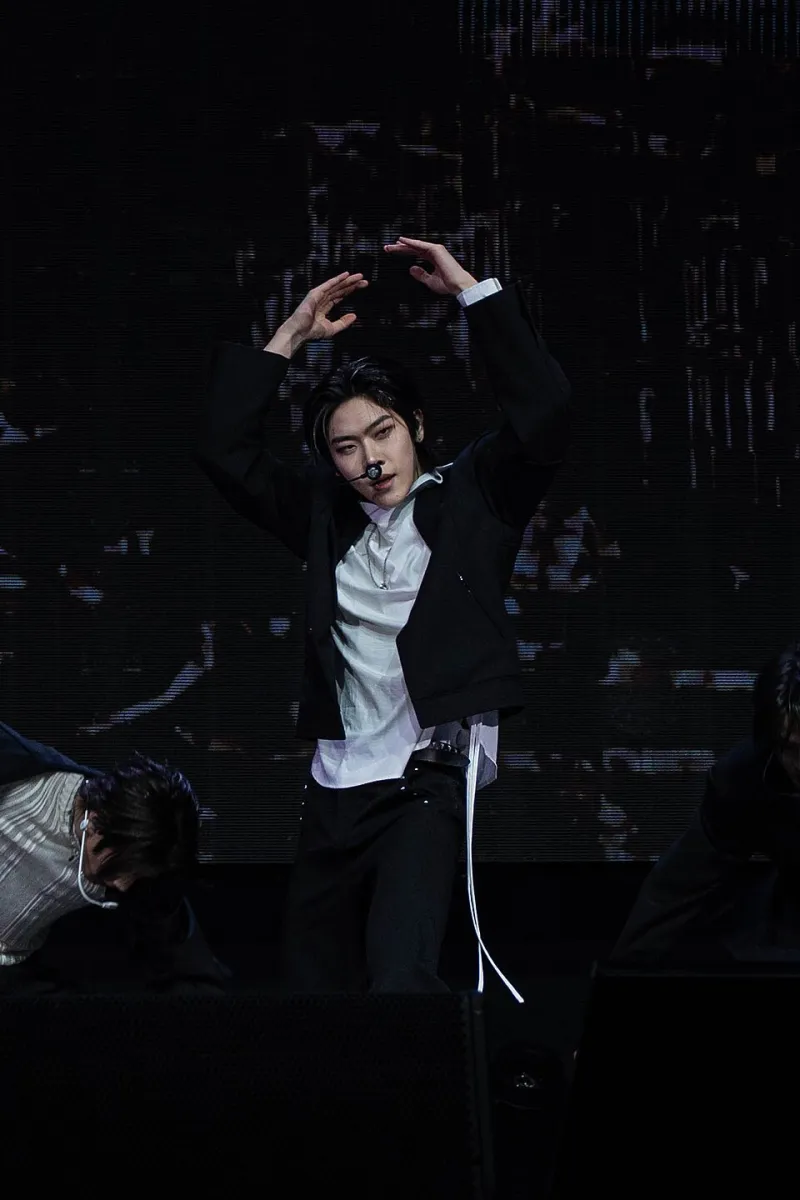
Photo: FeklaIvanova16, CC0, via Wikimedia Commons
It happens like clockwork. Someone's mic cuts out mid-chorus, a dance break runs a little too perfectly, or a Reddit thread starts dissecting a concert clip frame by frame — and suddenly, a beloved artist is getting dragged across every corner of the internet for "faking it." The comments fill up fast: real artists sing live, I paid good money for this, this is such a scam.
But here's the thing — almost nobody who's throwing those takes actually understands what goes into a live performance in 2024. And that gap between assumption and reality is costing artists their reputations over something that's been standard industry practice for decades.
So let's actually talk about it.
What Even Is a Backing Track?
First, let's clear something up, because the term gets thrown around loosely. A backing track isn't the same as lip-syncing to a pre-recorded vocal. Most of the time, what sound engineers call a "backing track" is a layered audio file running underneath a live performance — think pre-recorded harmonies, orchestral arrangements, crowd-pumping bass lines, or those tight background vocal stacks that would require twelve singers standing on stage to reproduce.
The live vocal? Still happening. The rapper's breath control mid-verse? Very real. The sweat dripping down someone's face after a 45-minute high-energy set? One hundred percent earned.
"People hear 'backing track' and immediately picture a performer mouthing words into a dead mic," says one veteran FOH (front-of-house) sound engineer who has worked tours for multiple arena-level acts. "That's not what we're talking about ninety percent of the time. We're talking about filling in production elements that physically cannot exist on stage the way they do in the studio."
The Studio vs. The Stage Problem
Here's where things get genuinely fascinating — and where the criticism starts to fall apart under even mild scrutiny.
When an artist records an album, they have unlimited time, unlimited takes, and access to tools that can layer vocals, add reverb rooms, and blend fifty different sonic elements into a single track. A song like Beyoncé's "Cuff It" or a Kendrick Lamar deep cut might have dozens of individual audio layers stacked on top of each other. That's what you're hearing through your AirPods.
Now picture trying to recreate that exact sonic experience in a stadium holding 60,000 people, with a PA system fighting against open-air acoustics, a full band on risers, pyrotechnics firing on cue, and a performer who's been dancing at full intensity for the last thirty minutes straight.
It's not the same thing. It literally cannot be the same thing without some form of production support. And pretending otherwise is like expecting a chef to recreate a Michelin-star tasting menu on a camping stove and calling them a fraud when the plating looks different.
The Legends Did It Too — We Just Didn't Have Twitter
This isn't a new development cooked up by lazy pop stars. Michael Jackson used backing tracks extensively throughout the Bad and Dangerous tours. Madonna's legendary Blond Ambition tour — widely considered one of the greatest live productions in pop history — used pre-recorded elements throughout. Whitney Houston's famous 1991 Super Bowl performance of "The Star-Spangled Banner" was a pre-recorded track played over live sound. It won a Grammy nomination and is still talked about as one of the greatest vocal performances ever captured.
The difference? There was no viral clip. No slow-motion zoom-in. No comment section ready to deliver a verdict in under three minutes.
"The scrutiny is completely different now," notes one music journalist who covers the touring industry. "Every single show is being recorded by thousands of phones from thousands of angles. You could have the most technically impressive live vocal performance in history, and if the monitor mix sounds off in one clip, it's going to look like something shady is going on."
What About Full Lip-Sync? Is That Different?
Okay, fair question — and yes, it's worth separating this out. There is a distinction between using production backing tracks and performing an entirely mimed show where nothing is live.
Broadcast performances — award shows, televised specials, morning show appearances — often use what's called a "vocal performance track," where the artist sings along to a polished version of their studio recording. This is standard, openly acknowledged in the industry, and exists largely because broadcast audio environments are wildly unpredictable. Ask any producer who's had a live mic pick up a camera motor during a primetime performance.
Then there are the rare cases of full live concert lip-syncing, which does happen and is more legitimately worth a conversation — especially when ticket prices are running $200 and up. But even here, context matters. Injury, illness, vocal strain, and the physical demands of elaborate choreography all factor in. These aren't excuses; they're just reality.
The Conversation We Should Actually Be Having
Instead of spending energy policing whether an artist is "really" singing, maybe the better question is: what does a great live show actually mean to you?
For some fans, it's raw, unfiltered vocals — every crack, every breath, every imperfect note that proves a human being is standing on that stage giving everything they have. For others, it's spectacle — the lights, the staging, the energy in the room, the feeling of being part of something massive. Neither preference is wrong.
But the framing of backing tracks as some kind of moral failure? That needs to go. It flattens an incredibly complex craft into a binary that doesn't hold up, and it punishes artists for doing exactly what their production teams, record labels, and tour managers expect them to do.
Next time a clip goes viral and the pile-on starts, maybe take thirty seconds to ask what you're actually watching before you hit quote-tweet. The show you're seeing is a lot more layered — literally — than you think.