Three Hours or Nothing: The Exhausting New Rules of the Mega-Tour
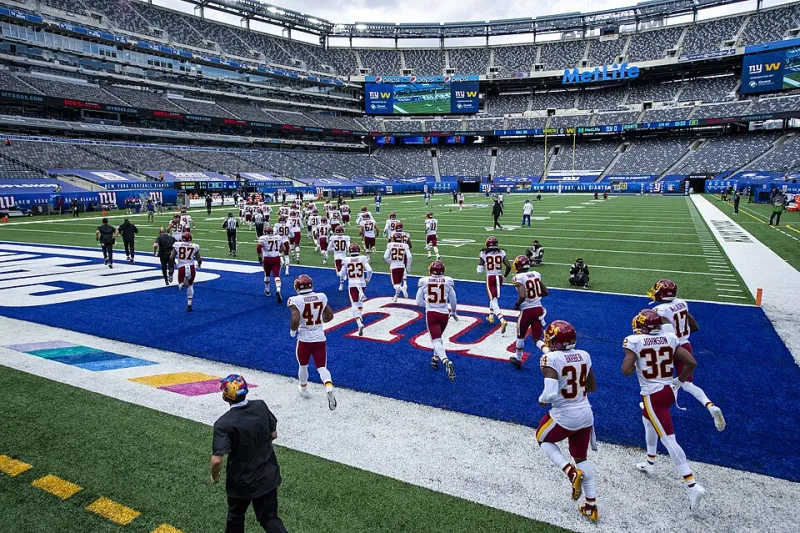
Photo: All-Pro Reels, CC BY-SA 2.0, via Wikimedia Commons
Here's an unpopular take: I miss when a concert was just a band playing songs.
Somewhere between the rise of the visual album and the record-smashing residency circuit, touring changed shape. Now the template is set — a three-hour setlist spanning an entire catalog, costume changes, narrative arcs, surprise guests, and a stage design that would make Broadway sweat. One tour in particular turned this into a cultural event so massive that it single-handedly moved hotel bookings and local economies. And honestly? It was spectacular.
But here's my problem: we've let one blueprint become the expectation.
When Every Tour Has to Be an Event
The era-tour model works brilliantly for artists with deep catalogs and stadium-scale fandoms. The trouble starts when it becomes the measuring stick for everyone else. A rising artist announcing a 40-date run now gets asked why there's no 'act two' or no acoustic segment. Fans who paid $180 want a moment, not just music — and who can blame them when that's what they've been trained to expect?
The result is an arms race. Production costs balloon, ticket prices follow, and artists who can't afford the spectacle look 'less than' on stage even when the songs are great. Live music is quietly becoming a comparison shopping experience instead of, you know, live music.
The Squeezed Middle
The real casualty is the middle of the industry. The winner-take-all touring economy means the top 1% of acts capture the vast majority of ticket revenue, while theater-sized artists — the ones who used to be the heart of American touring culture — cancel runs because bus costs, crew wages, and insurance don't pencil out at 800-cap venues.
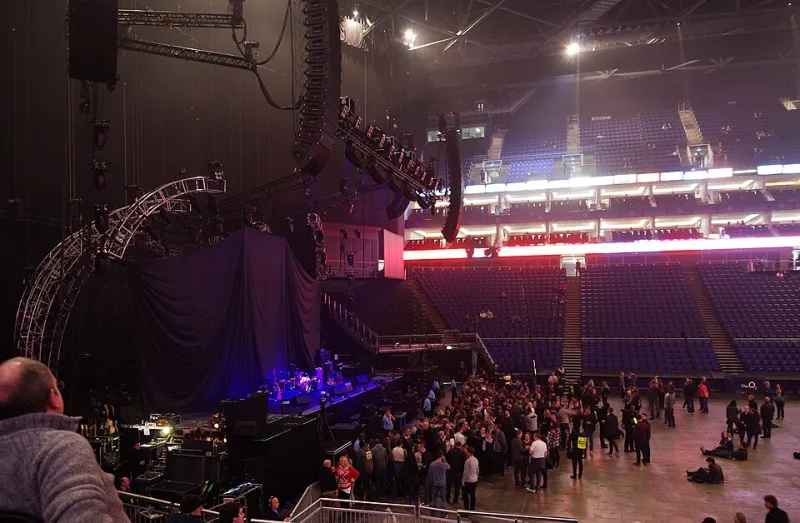
We've seen it in the numbers: mid-sized venues closing at an alarming rate across the country, from coast to coast. These are the rooms where you stood three feet from your future favorite artist. When they go, the pipeline that feeds the stadiums goes with them.
What We Actually Lose
A three-hour spectacle is a produced experience. A 75-minute club set is a conversation. Both have value, but only one of them is where artists learn their craft, take risks, and build the kind of fan loyalty that lasts decades. If we only show up for the blockbuster tours, we're not really a music culture — we're an audience for it.
So here's my pitch: buy the ticket to the small show. Let the arena spectacle be what it is — genuinely great television you can attend. But don't let it become the only live music that exists. The next era-defining artist is currently playing a 45-minute opening slot in a room that holds 400 people, and they need you there more than the stadium needs you.