When Your Favorite Celebrity's Biggest Fan Is Getting Paid to Be One
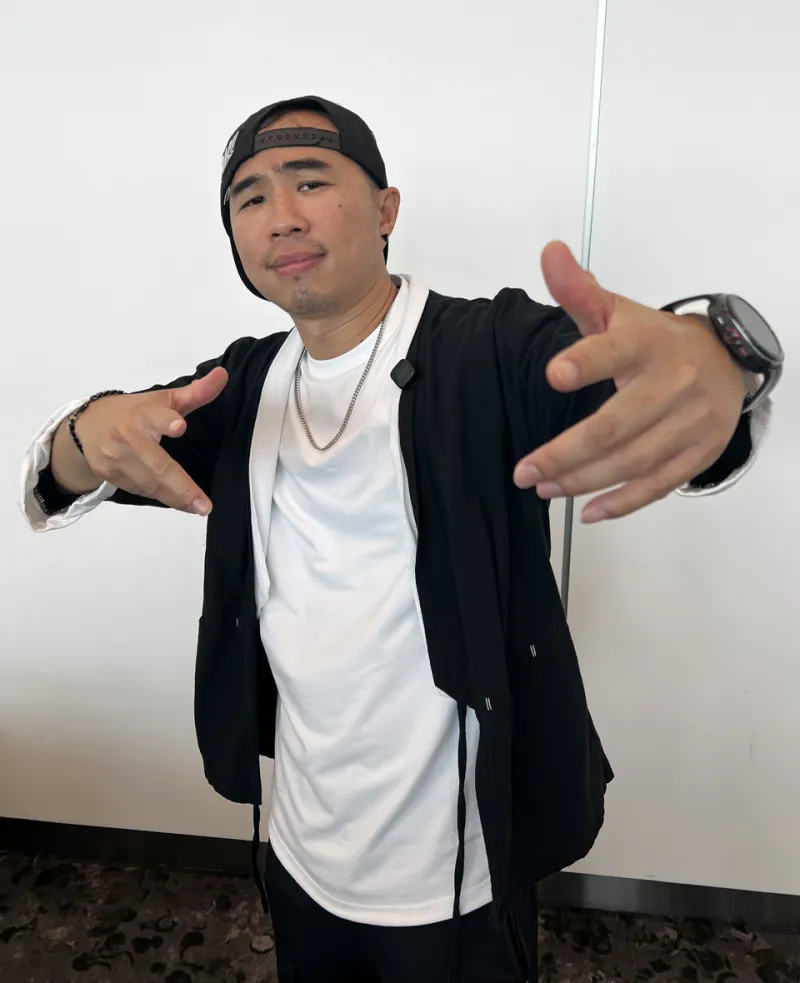
Photo: Demetri Andriani, CC BY 4.0, via Wikimedia Commons
Scroll through TikTok on any given Tuesday and you'll find them — the breathless reaction videos, the "I literally cannot stop listening to this" captions, the influencer who just happens to be obsessed with the same artist you've been stanning for three weeks. They seem genuine. They seem like one of us. They're crying over a bridge in a music video and tagging the artist with heart emojis and you're nodding along thinking same, honestly.
But what if they're not one of us? What if the whole thing — the tears, the "this album changed my life," the perfectly timed post dropping the night of a single release — is a line item in someone's marketing budget?
Welcome to the influencer-celebrity industrial complex. It's been quietly running the culture for years, and in 2024, it's operating at a scale most fans still haven't fully wrapped their heads around.
The Machine Behind the Moment
Here's how it typically works. An artist — or more accurately, their label, their management team, and their PR firm — identifies a list of content creators whose audiences overlap with their target demographic. Deals get struck. Sometimes it's cash. Sometimes it's exclusive access: early album listens, meet-and-greets, invitations to private events that make for incredible content. Sometimes it's gifting — free merch, concert tickets, backstage passes.
In exchange, the influencer posts. They react. They share. They hype. And critically, many of them don't disclose.
FTC guidelines require influencers to label paid promotions and gifted partnerships, but enforcement is inconsistent, the rules are widely misunderstood, and the celebrity-adjacent world of "organic" fan content exists in a particularly murky gray area. An influencer who got free tickets and a press bag at a listening event might not technically consider themselves paid — but they're still operating as an extension of someone's marketing funnel.
"The whole point is that it doesn't look like marketing," explains one digital strategist who works with major label clients. "If it looks like an ad, it doesn't work. The value is in making it feel like a real fan discovered something real."
Why It Works So Well on Us
This stuff is effective for a reason that goes deeper than just clever tactics — it exploits something genuinely human. We trust people who seem like us. We trust enthusiasm that looks unscripted. And we are, as a species, remarkably bad at detecting performance when the performance is designed to look like authenticity.
Parasocial relationships — those one-sided emotional bonds we form with creators, celebrities, and even the influencers we follow — are psychologically real. They activate the same social brain circuits as actual friendships. When someone we feel like we know tells us an artist is incredible, our guard comes down in a way it wouldn't for a 30-second ad.
Labels and PR teams understand this. That's not cynicism — it's just business. But when that understanding gets weaponized to manufacture the appearance of grassroots fandom, something gets lost for the people on the other side of the screen.
The Spectrum from Shady to Totally Fine
It's worth saying clearly: not all of this is predatory, and not all influencer-celebrity partnerships are built on bad faith.
Plenty of creators genuinely love the artists they post about. Plenty of those relationships started organically and evolved into something professional. A creator who's been a real fan for years and then gets invited to a label event isn't suddenly a fraud. Context matters.
The problem shows up at the extremes — when an influencer with zero prior connection to an artist suddenly becomes their loudest evangelist the week of an album drop, with no disclosure and a suspiciously polished "reaction" that hits every talking point from the press kit. That's where the line gets crossed.
And fans, increasingly, are clocking it. Comment sections are getting sharper. People are doing math on posting timelines. Whole threads exist dedicated to tracking which influencers consistently show up in the same celebrity's orbit around release windows. The audience is not as passive as the industry sometimes assumes.
What It Does to the Fan Experience
There's a real cost here beyond just feeling deceived. When the hype around an artist is manufactured, it distorts the feedback loop that used to tell us something was genuinely resonating. Streaming numbers get gamed. Social momentum gets bought. An artist can appear to be a cultural phenomenon while their actual organic fanbase is still relatively small — and that gap eventually shows up somewhere, whether it's in tour ticket sales, chart longevity, or the abrupt silence that follows a heavily marketed rollout.
For fans who built their identity around discovering artists early and championing them authentically, the manufactured hype ecosystem feels like a violation of something. It's not just that you were marketed to — it's that the thing you thought was yours, the genuine underground buzz, the feeling of being in on something real, was potentially a simulation the whole time.
So How Do You Actually Tell?
Honestly? It's not always possible, and that's by design. But there are signals worth paying attention to.
Look at timing. Does an influencer's enthusiasm for an artist appear out of nowhere right around a major release? Check their history with that artist's content — is there any? Look for disclosure language. Even a small "gifted" tag in a caption tells you something about someone's integrity. And pay attention to specificity: genuine fans tend to reference deep cuts, weird details, specific moments. Paid promoters tend to hit the same talking points over and over because that's what they were briefed on.
More than anything, trust your gut when something feels too coordinated. The internet has given us incredible tools for collective pattern recognition, and the communities building around artists are often the first to notice when the enthusiasm doesn't quite add up.
Fandom has always been emotional, sometimes irrational, and deeply personal. That's what makes it worth protecting. And in a media landscape where almost everything has a price tag attached, knowing who's actually in your corner — versus who's just been booked to seem like it — matters more than ever.