Loved to Death: The Real Cost of Stan Culture on the Artists You Worship
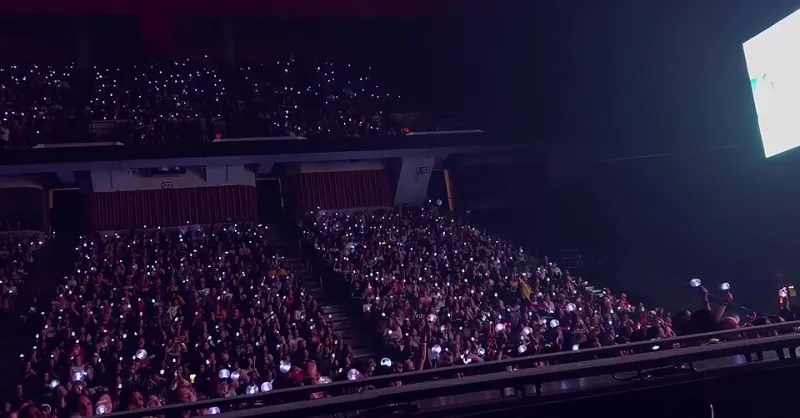
Photo: NamiiCho, CC BY 3.0, via Wikimedia Commons
Being a fan has always been part of the American music experience. You blast your favorite artist's album on a road trip, you camp outside a venue for floor tickets, you ugly-cry when they play your song. That's beautiful. That's what music is for. But somewhere along the way — somewhere in the scroll, the reply threads, and the parasocial spiral — fandom got complicated. And the people paying the highest price for it are the very artists fans claim to love.
This isn't a takedown of fan culture. Engaged, passionate communities are genuinely one of the most powerful forces in music. They break streaming records, fund independent artists, and create the kind of cultural moments that labels can't manufacture. But there's a version of that passion that curdles into something else entirely. And we need to talk about it.
The Parasocial Trap
Let's start with something that sounds harmless because it kind of is — until it isn't. Parasocial relationships, the one-sided emotional bonds fans form with celebrities they've never met, are completely normal. Psychologists have studied them for decades. You feel like you know an artist because they've shared so much of themselves through their music, their social media, their interviews. That feeling of connection is real, even if the relationship itself is not mutual.
The problem kicks in when that feeling stops being a source of joy and starts becoming a sense of entitlement. When fans begin to believe that because they've followed every Instagram story, streamed every album on release day, and defended the artist in every comment section, they've earned something. Access. Loyalty. Reciprocation.
Artists and their management teams describe this shift in really consistent terms — the moment a fan stops celebrating the artist and starts feeling like they own them. That's when things get scary.
Doxxing, Tracking, and the Illusion of Closeness
In 2024, the tools available to obsessive fans have never been more powerful or more dangerous. Location data, background details visible in photos, public records, social media metadata — dedicated stans have used all of it to track down artists' home addresses, family members, and private routines. Doxxing — the practice of publishing someone's private information online — has become a genuine safety threat that artist management teams now plan around like any other security risk.
What's particularly chilling is how this behavior often gets framed within fan communities themselves. It's not always presented as threatening. Sometimes it's dressed up as devotion — proof of how dedicated a fan is, how much they care. The person posting a celebrity's home neighborhood in a fan forum might genuinely believe they're doing something harmless or even flattering.
They're not. Artists have spoken openly about what it feels like to realize a stranger knows where they live. It's not flattering. It's terrifying. It changes the way they move through the world, where they're willing to go, whether they feel safe in their own homes.
When Fans Turn on Each Other — and On the Artist
Here's a dynamic that doesn't get enough attention: the way extreme stan communities police each other and, eventually, the artist themselves. The internal hierarchy of a hardcore fanbase can be vicious. Fans who are deemed not dedicated enough get pushed out. Fans who express any criticism — even gentle, constructive takes — get mobbed.
And when an artist does something the community disapproves of? The love can flip to rage with terrifying speed. A new relationship, a genre shift, a friendship with someone the fanbase has decided is an enemy — any of it can trigger a pile-on that the artist experiences as a very public, very personal attack from the people who were supposed to have their back.
Mental health professionals who work with public figures describe this as one of the most psychologically damaging aspects of modern fame. The unpredictability of it. The fact that the same community that lifted you up can become the thing that tears you apart, often over something completely outside your control.
What Artists Actually Want You to Know
If there's one thing that comes through consistently when artists, managers, and publicists talk about fan behavior — it's that the artists themselves are often afraid to say anything. Because speaking out about toxic fans gets you accused of being ungrateful. It gets weaponized. It starts another cycle of the very behavior you're trying to address.
But when artists do speak up, the message is usually the same: I am not a character. I am a person. The version of me that lives in your head — the one you've built from lyrics and interviews and curated social posts — is not the full picture. You don't actually know me. And the love that comes with conditions, with demands, with the expectation that I'll perform my life for your approval? That's not love.
That message lands differently depending on who's hearing it. For most fans, it's a gut check — a reminder to hold their fandom a little more loosely, to stay on the right side of the line. For a smaller number, it doesn't land at all, because the parasocial bond has become load-bearing in their own emotional life. That's where mental health professionals say the real intervention needs to happen.
Being a Fan Without Losing the Plot
None of this means you need to dial back your enthusiasm or feel guilty for caring deeply about an artist's work. Fandom, at its best, is a genuine community. It's people finding each other through shared love of music, building friendships, creating art inspired by art. That's worth protecting.
But protecting it means being honest about where the lines are. An artist's home address is not fan content. Their family members didn't sign up to be public figures. A relationship decision they made in their private life is not a betrayal of their fanbase. And an opinion that differs from the majority of a stan community is not grounds for harassment.
The simplest reframe? Support the music. Celebrate the artistry. Show up to the shows, buy the merch, stream the albums. Let the artist be a human being who exists outside of your relationship with their work. That's actually the most powerful thing a fan can do — love the art without trying to consume the person who made it.
Because the artists who keep making music for decades, who keep showing up and creating? They're usually the ones whose fans figured out how to love them without suffocating them. That's the kind of fan community worth being part of.